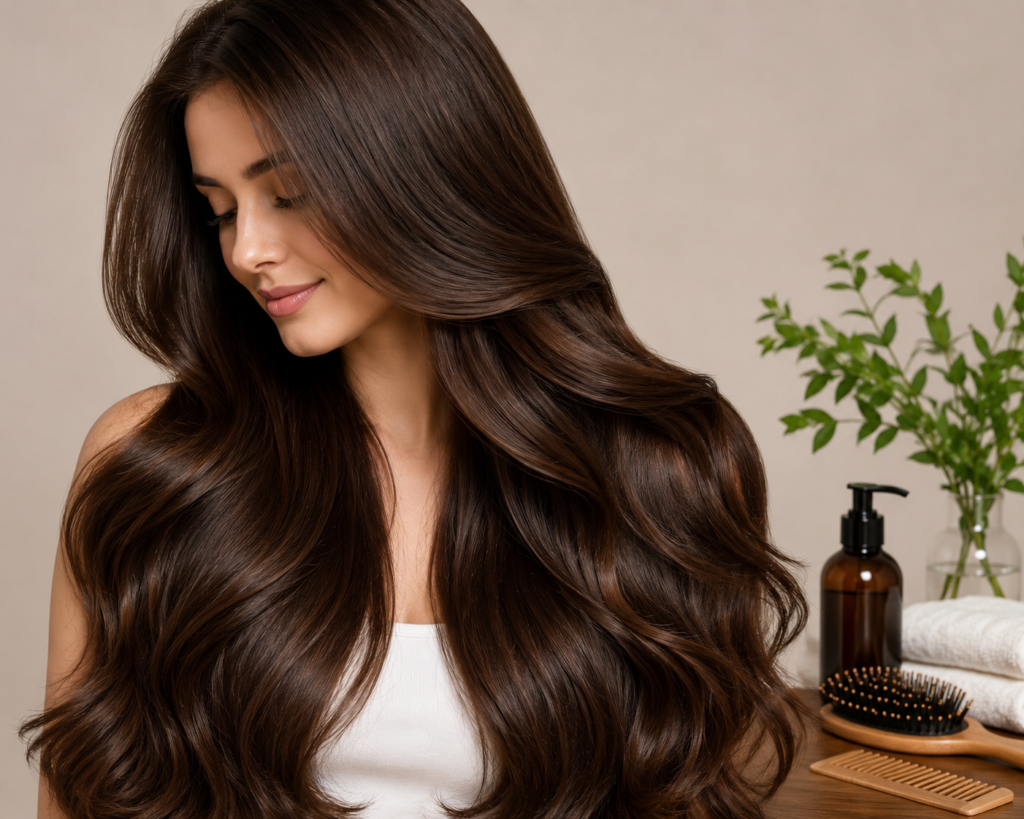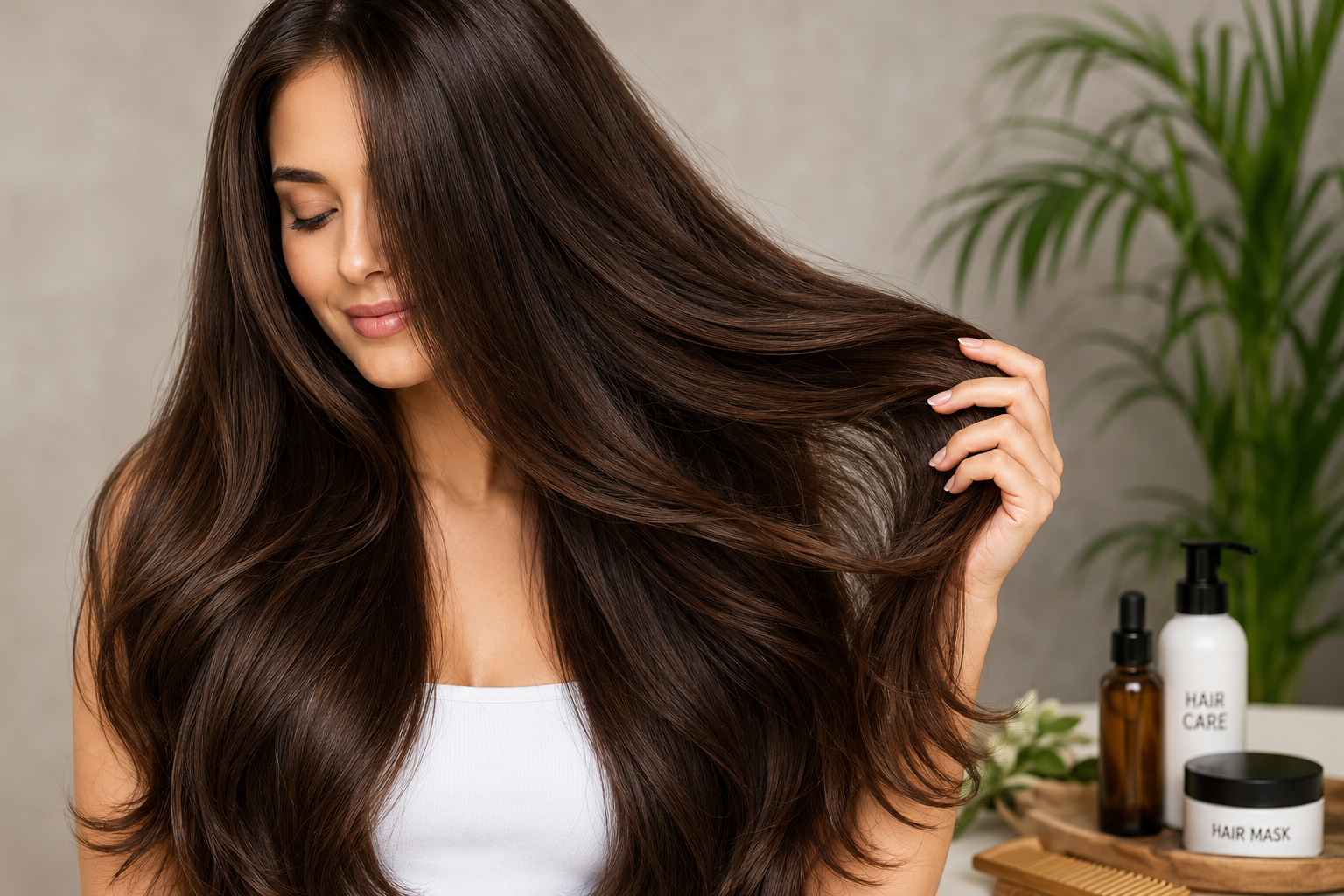
Hair is one of the first features people notice about us. Healthy, shiny, and well-maintained hair not only enhances our appearance but also reflects our overall health and hygiene. Whether your hair is long or short, straight or curly, thick or fine, taking proper care of it is essential. Hair care is not just about looking good. It is about maintaining a healthy scalp, preventing damage, encouraging strong hair growth, and improving confidence. By following a simple and consistent hair care routine, anyone can enjoy healthier, stronger, and more beautiful hair.
The Importance of Healthy Hair
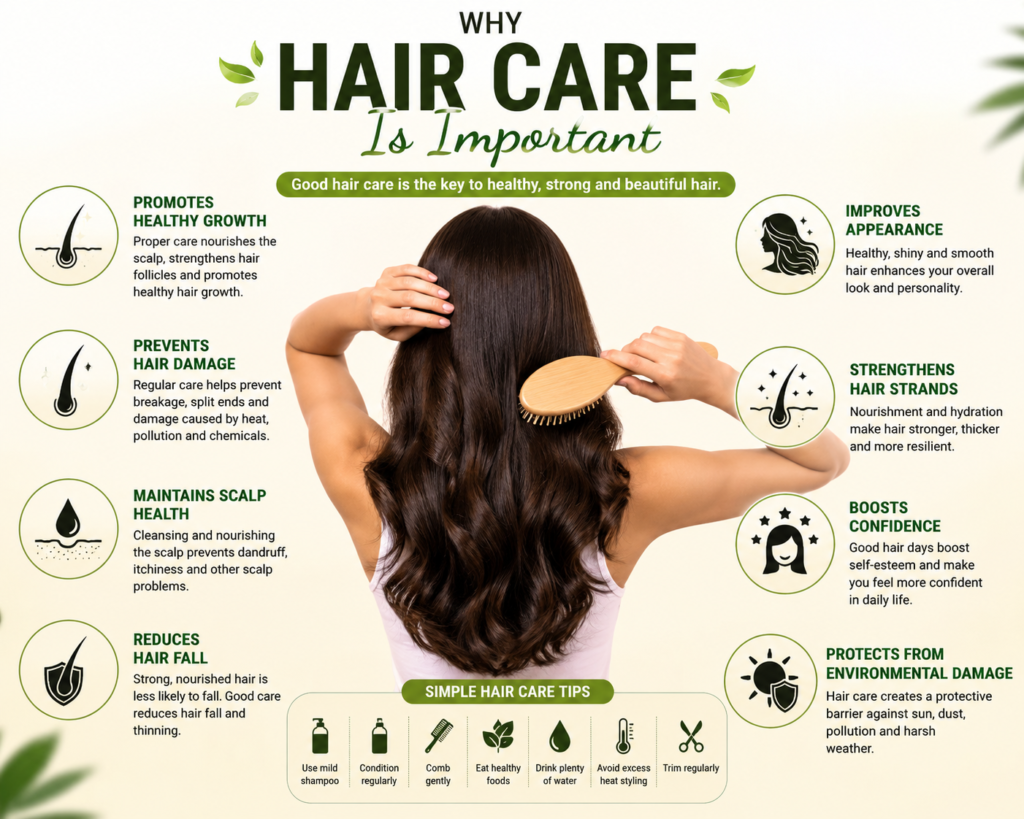
Hair plays a significant role in our appearance and self-esteem. Healthy hair can make a person look more youthful, energetic, and well-groomed. On the other hand, dry, damaged, or thinning hair may affect confidence and make people feel self-conscious. Proper hair care helps maintain the natural shine, softness, and strength of the hair while reducing common problems such as dandruff, breakage, and split ends.
Hair also protects the scalp from harmful ultraviolet (UV) rays, dust, and environmental pollutants. Keeping your hair and scalp healthy ensures they can continue performing these important protective functions.
A Healthy Scalp Is the Foundation
The scalp is the foundation of healthy hair. Every strand of hair grows from a hair follicle located beneath the scalp. If the scalp is unhealthy, hair growth can become weak or slow. Conditions such as dandruff, excessive oil, dryness, itching, or infections can damage the scalp and affect hair quality.
Regular washing with a suitable shampoo helps remove dirt, excess oil, sweat, and product buildup. Keeping the scalp clean reduces the risk of infections and creates a healthier environment for hair growth. It is equally important to avoid over-washing, as it may strip away natural oils that protect the scalp and hair.
Preventing Hair Damage
Daily activities expose hair to various forms of damage. Heat styling tools, chemical treatments, pollution, harsh weather, and rough brushing can weaken hair strands over time. Without proper care, hair becomes dry, brittle, and more likely to break.
Using a conditioner after shampooing helps restore moisture and makes hair smoother and easier to manage. Limiting the use of hot styling tools such as straighteners and curling irons also helps reduce heat damage. When using these tools, applying a heat protectant can minimize their harmful effects.
Regular trimming removes split ends before they spread further up the hair shaft. This simple habit helps keep hair healthier and improves its overall appearance.
Supporting Hair Growth
Many people dream of having long, thick, and healthy hair. Although genetics play an important role in determining hair growth, proper care can improve the health of existing hair and reduce unnecessary hair loss.
A balanced diet rich in protein, iron, zinc, biotin, vitamins A, C, D, and E supports healthy hair growth. Hair is primarily made of a protein called keratin, so consuming enough protein is especially important.
Drinking plenty of water also keeps the scalp hydrated and supports healthy hair. Gentle scalp massages may improve blood circulation, allowing nutrients to reach the hair follicles more effectively.
Protecting Hair from Environmental Damage
Environmental factors can have a major impact on hair health. Sun exposure, wind, humidity, dust, and pollution can weaken the hair cuticle, causing dryness and dullness. Chlorine from swimming pools and saltwater from the ocean may also strip moisture from the hair.
Wearing a hat or scarf during prolonged sun exposure helps protect hair from UV damage. Rinsing hair after swimming removes chlorine and salt that may otherwise cause dryness. Using moisturizing hair products also helps restore lost hydration.
Choosing the Right Hair Care Products
Not all hair care products work for every hair type. Choosing products that match your hair’s needs is essential. For example, people with oily hair may benefit from lightweight shampoos, while those with dry or curly hair often need moisturizing shampoos and conditioners.
Avoid products that contain excessive amounts of harsh chemicals if they cause irritation or dryness. Reading ingredient labels and understanding your hair type can help you make better choices.
Deep conditioning treatments or hair masks once a week can provide additional nourishment, especially for damaged or chemically treated hair.
Good Hair Care Habits
Healthy hair starts with healthy habits. Small daily practices can make a big difference over time.
Brush your hair gently to avoid unnecessary breakage. Avoid pulling or tugging at wet hair, as it is more fragile than dry hair. Use a wide-tooth comb to detangle gently, especially after washing.
Avoid tying your hair too tightly, as tight hairstyles can place stress on the hair follicles and may contribute to hair loss over time. Whenever possible, allow your hair to air dry instead of using high heat.
Sleeping on a silk or satin pillowcase may also reduce friction, helping to prevent tangles and breakage.
The Connection Between Hair and Overall Health
Hair often reflects what is happening inside the body. Poor nutrition, stress, hormonal changes, illness, and certain medications can all affect hair health. Excessive hair loss or sudden changes in hair texture may sometimes indicate an underlying health condition.
Managing stress through exercise, meditation, or relaxation techniques may help reduce stress-related hair shedding. Getting enough sleep and maintaining a healthy lifestyle also contribute to stronger, healthier hair.
If you notice severe hair loss, persistent scalp irritation, or unusual symptoms, consulting a healthcare professional or dermatologist is recommended.
Building Confidence Through Healthy Hair
Taking care of your hair is also an important part of personal grooming. Clean, healthy hair often makes people feel more confident in social situations, at work, or during special events. While beauty standards vary from person to person, maintaining healthy hair allows individuals to express their personal style and feel comfortable with their appearance.
Confidence often begins with self-care. Spending just a few minutes each day caring for your hair can improve not only your appearance but also your overall sense of well-being.
Conclusion
Hair care is much more than a beauty routine. Itis an important part of maintaining good hygiene, protecting the scalp, preventing damage, and supporting healthy hair growth. By following simple habits such as washing regularly, conditioning, eating a nutritious diet, protecting hair from environmental damage, and using suitable products, anyone can improve the health and appearance of their hair.
Healthy hair does not happen overnight. It requires consistency, patience, and proper care. Investing time in your hair today can lead to stronger, shinier, and healthier hair for years to come. Ultimately, good hair care supports not only your physical appearance but also your confidence and overall quality of life.