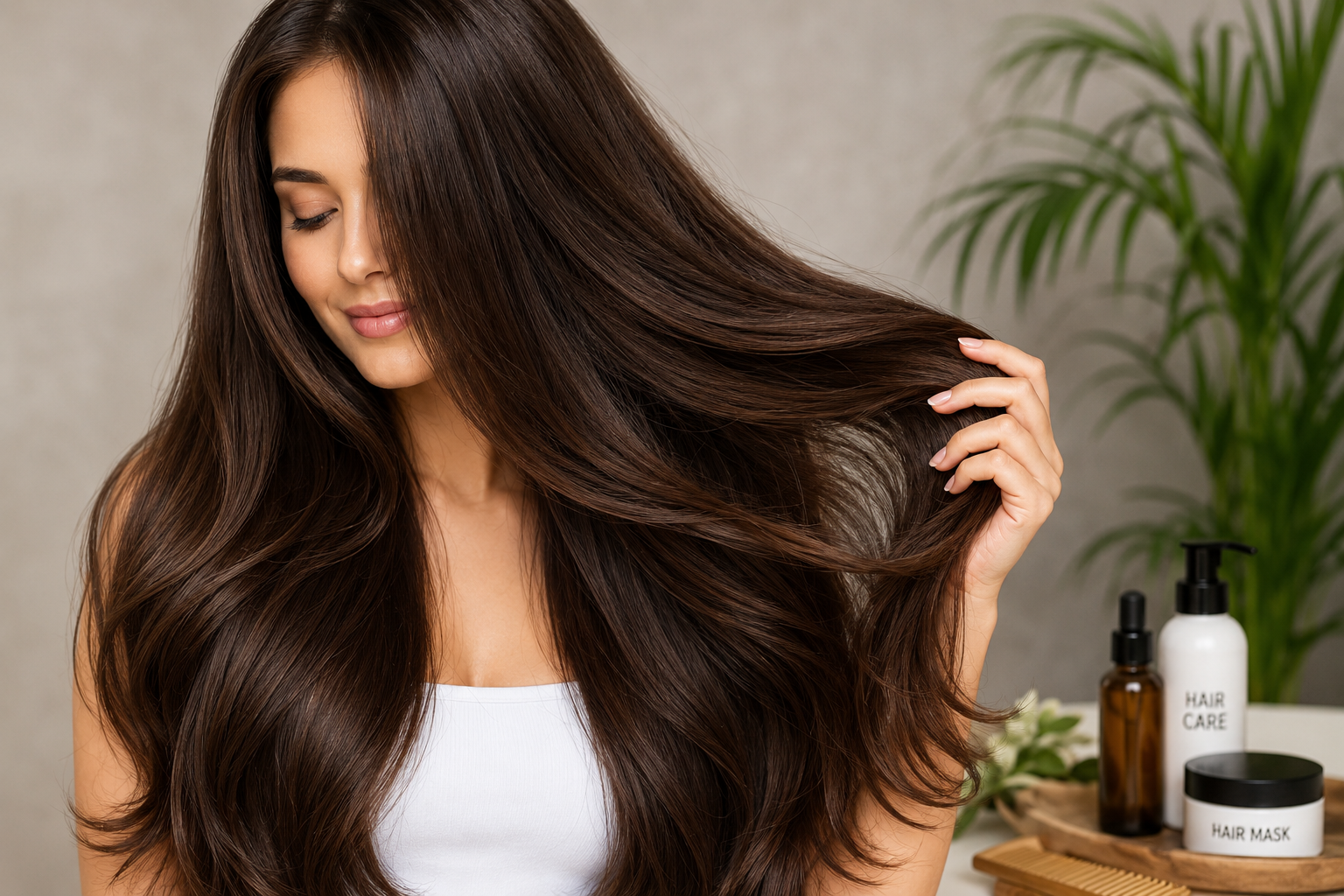
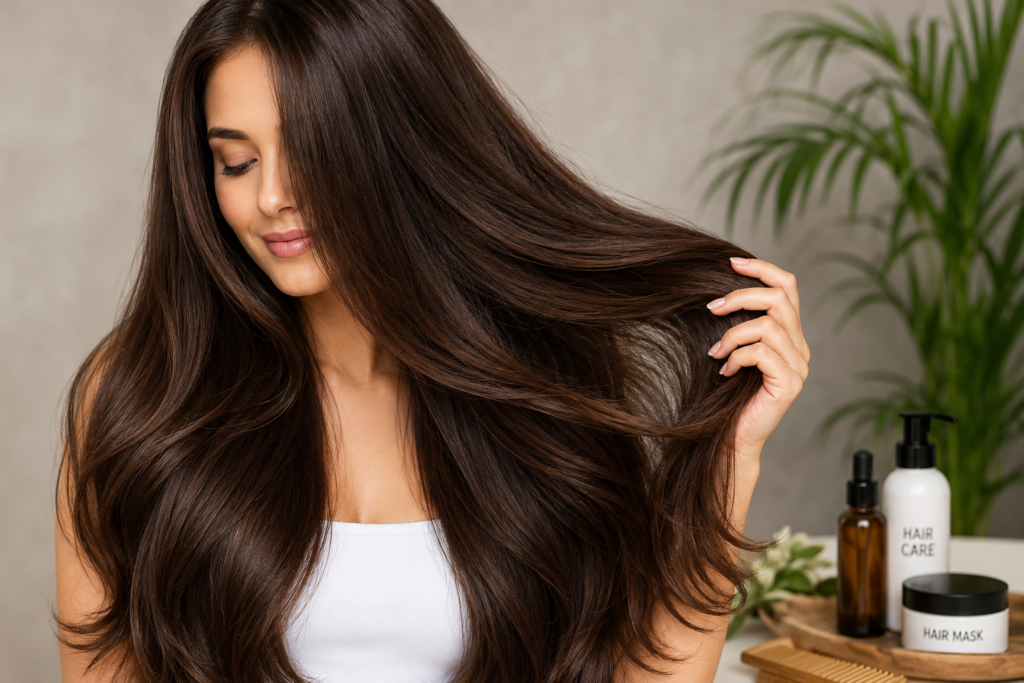
Healthy, shiny hair is a symbol of beauty and confidence. Proper hair care is not only about using expensive products but also about maintaining a consistent routine, eating a balanced diet, and protecting your hair from damage. Every hair type, whether straight, wavy, curly, or coily, requires specific care to stay strong and vibrant.
Environmental pollution, excessive heat styling, chemical treatments, poor nutrition, and stress can all affect the health of your hair. Fortunately, with the right hair care routine, you can restore strength, reduce breakage, and maintain beautiful hair throughout the year.
Understanding Your Hair Type
Before choosing hair care products, it is important to know your hair type.
Straight Hair
Straight hair tends to become oily more quickly because natural scalp oils travel easily down the hair shaft.
Wavy Hair
Wavy hair has natural movement and volume but may become frizzy in humid weather.
Curly Hair
Curly hair is naturally drier because oils have a harder time reaching the ends of the strands.
Coily Hair
Coily hair is delicate and requires extra moisture to prevent dryness and breakage.
Understanding your hair type helps you choose the right shampoo, conditioner, and styling products.
Essential Hair Care Routine
- Wash Your Hair Properly
Choose a shampoo suitable for your hair type. Wash your scalp gently to remove dirt, oil, and product buildup without stripping away natural moisture.
Avoid washing your hair every day unless necessary. Most people benefit from washing two to three times per week.
- Use Conditioner
Conditioner restores moisture, smooths the hair cuticle, and reduces tangles. Apply it mainly to the mid-lengths and ends rather than directly on the scalp.
- Dry Hair Carefully
Avoid rubbing your hair aggressively with a towel. Instead, gently pat it dry using a microfiber towel or a soft cotton T-shirt to minimize frizz and breakage.
- Detangle Gently
Use a wide-tooth comb or a detangling brush, starting from the ends and gradually working upward to avoid unnecessary breakage.
Importance of Scalp Care
Healthy hair begins with a healthy scalp.
Keep your scalp clean by washing regularly and avoiding excessive product buildup. Gentle scalp massages improve blood circulation, which may support healthy hair growth. If you experience dandruff or itching, choose products specifically formulated to address those concerns.
Hair Nutrition
Strong hair starts from within. A balanced diet plays an important role in maintaining healthy hair.
Include foods rich in:
Protein
Iron
Zinc
Biotin
Vitamin A
Vitamin C
Vitamin D
Vitamin E
Omega-3 fatty acids
Foods such as eggs, fish, spinach, nuts, berries, avocados, sweet potatoes, and seeds provide nutrients that support healthy hair.
Staying hydrated is equally important, as dehydration can lead to dry and brittle hair.
Hair Care Products
Selecting quality products can make a significant difference.
Shampoo
Choose sulfate-free shampoos if your hair is dry, color-treated, or chemically processed.
Conditioner
Look for moisturizing conditioners that nourish and soften the hair without making it heavy.
Hair Serum
Hair serums help reduce frizz, add shine, and protect against humidity.
Hair Oil
Natural oils such as coconut oil, argan oil, jojoba oil, and rosemary oil help moisturize and strengthen hair.
Heat Protectant
Always apply a heat protectant before using blow dryers, curling irons, or straighteners.
Common Hair Problems
Hair Fall
Hair loss may result from stress, nutritional deficiencies, hormonal changes, genetics, or certain medical conditions.
Dry Hair
Dry hair often occurs because of heat styling, chemical treatments, or environmental damage.
Split Ends
Split ends develop when the hair shaft becomes damaged. Regular trims help prevent them from spreading.
Dandruff
Dandruff is a common scalp condition that causes flaking and itching. Specialized anti-dandruff shampoos can help manage it.
Frizzy Hair
Frizz usually results from dryness and humidity. Moisturizing products and anti-frizz serums can help control it.
Natural Hair Care Tips
Many natural ingredients can improve hair health.
Coconut oil deeply nourishes dry hair.
Aloe vera soothes the scalp and adds moisture.
Honey helps retain moisture.
Yogurt conditions the hair naturally.
Avocado provides healthy fats and vitamins.
Rosemary oil may support healthy hair growth when diluted properly.
Rice water is traditionally used to strengthen hair and improve shine.
Always perform a patch test before trying new natural remedies.
Protecting Hair from Damage
Daily habits have a major impact on hair health.
Limit heat styling.
Avoid tight hairstyles that pull on the roots.
Sleep on a silk or satin pillowcase.
Wear a hat when exposed to strong sunlight.
Protect hair from chlorine and saltwater.
Trim your hair every six to eight weeks.
Avoid excessive chemical treatments.
These simple practices help reduce breakage and maintain healthy-looking hair.
Seasonal Hair Care
Summer
Protect your hair from UV rays and chlorine. Use lightweight moisturizing products and rinse your hair after swimming.
Winter
Cold weather can cause dryness. Use deep-conditioning treatments regularly and avoid washing with very hot water.
Rainy Season
Humidity often increases frizz. Anti-frizz serums and lightweight leave-in conditioners help maintain smooth hair.
Hair Care Myths
Several common myths can be misleading.
Cutting your hair does not make it grow faster.
Washing your hair daily is not necessary for everyone.
Natural products are not always better for every hair type.
Brushing your hair 100 times a day does not improve hair health.
Expensive products are not always more effective than affordable, well-formulated ones.
Benefits of a Good Hair Care Routine
Following a consistent routine provides many advantages.
Stronger hair
Reduced breakage
Improved shine
Healthier scalp
Better moisture balance
Easier styling
Increased confidence
Long-lasting hair health
Conclusion
Healthy hair is achieved through consistency, proper nutrition, gentle care, and the right products. Understanding your hair type allows you to create a routine that meets your specific needs while protecting your hair from everyday damage. By maintaining a healthy scalp, eating a balanced diet, minimizing heat styling, and using quality hair care products, you can enjoy stronger, shinier, and more manageable hair. Beautiful hair is not created overnight, but with patience and proper care, anyone can achieve healthy,