Pakistan is a country known for its rich cultural heritage, diverse traditions, and colorful fashion. Pakistani dressing is a beautiful combination of history, culture, religion, and modern trends. Each province has its own unique style of clothing, reflecting its local customs, climate, and way of life. Traditional Pakistani dresses are admired not only within the country but also around the world for their elegance, comfort, and intricate embroidery. Over time, fashion has evolved, but traditional clothing continues to hold a special place in the hearts of Pakistanis.
Traditional Clothing in Pakistan
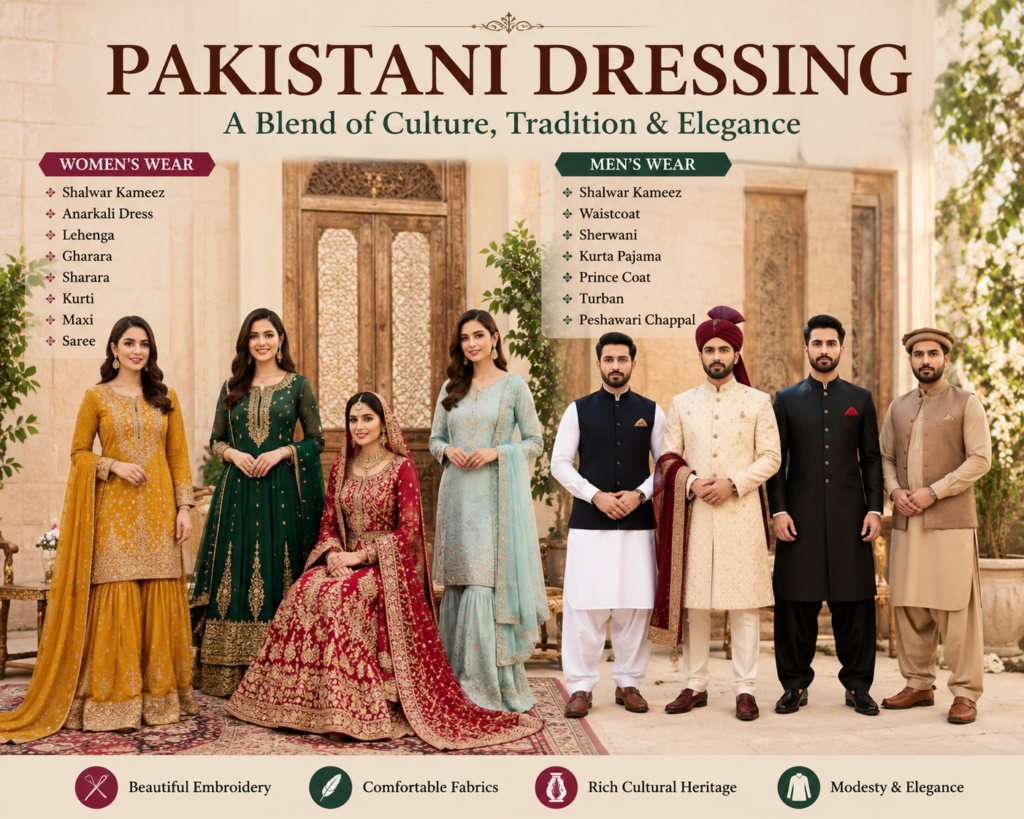
The national dress of Pakistan is the shalwar kameez. It is worn by men, women, and children across the country. The shalwar is a loose-fitting pair of trousers, while the kameez is a long shirt that reaches the knees or below. This outfit is comfortable, modest, and suitable for Pakistan’s climate.
Men often wear plain cotton or linen shalwar kameez for everyday use, while women enjoy wearing colorful fabrics decorated with embroidery, lace, beads, and mirror work. During winter, people add shawls, sweaters, or coats to stay warm while maintaining a traditional appearance.
Provincial Dress Styles
Each province in Pakistan has its own unique dressing style.
Punjab
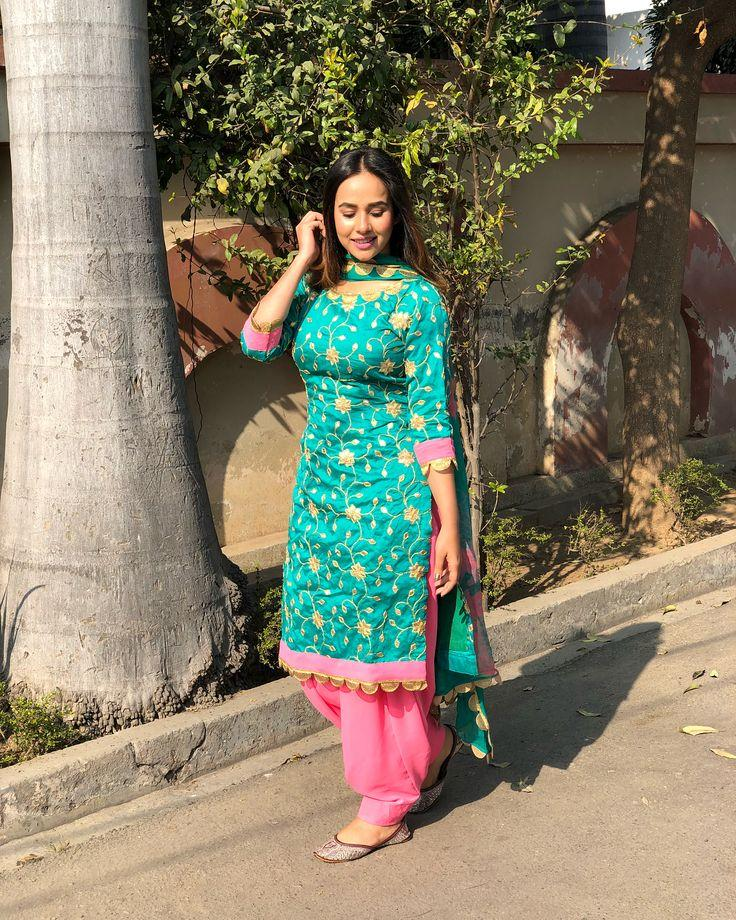
People in Punjab usually wear colorful shalwar kameez with embroidered dupattas. Women often wear vibrant colors like red, green, yellow, and pink, especially during festivals and weddings. Men traditionally wear white or light-colored shalwar kameez with a waistcoat and turban on special occasions.
Sindh
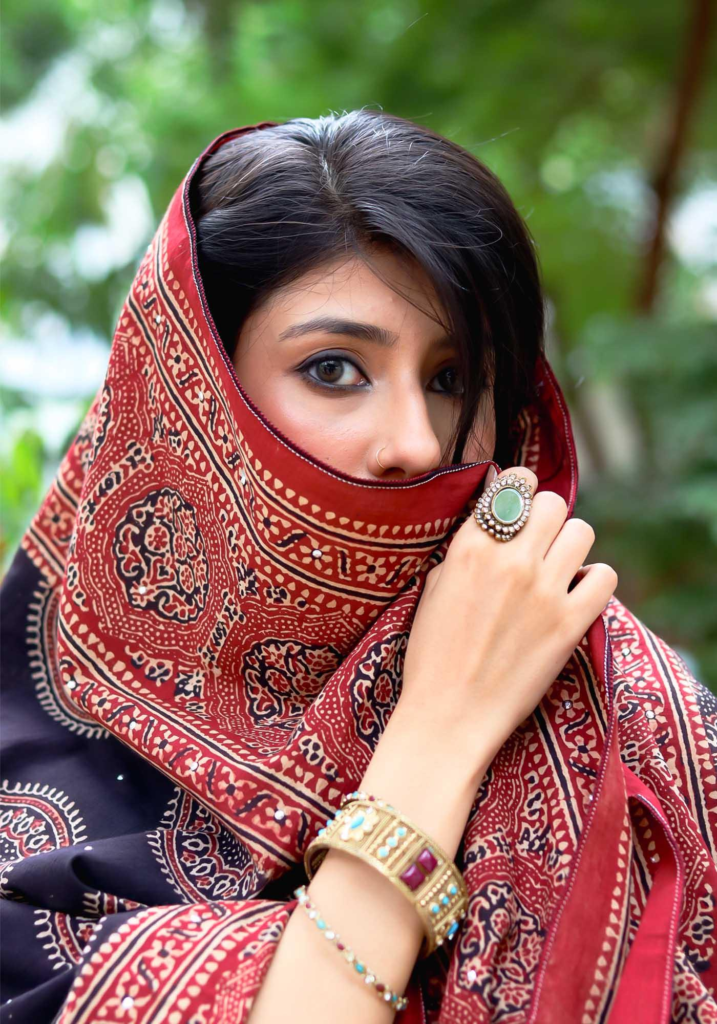
Sindhi clothing is famous for its beautiful mirror work and Ajrak prints. Ajrak is a traditional printed shawl that represents Sindhi culture. Women wear embroidered dresses with colorful dupattas, while men wear simple shalwar kameez along with the traditional Sindhi cap.
Khyber Pakhtunkhwa
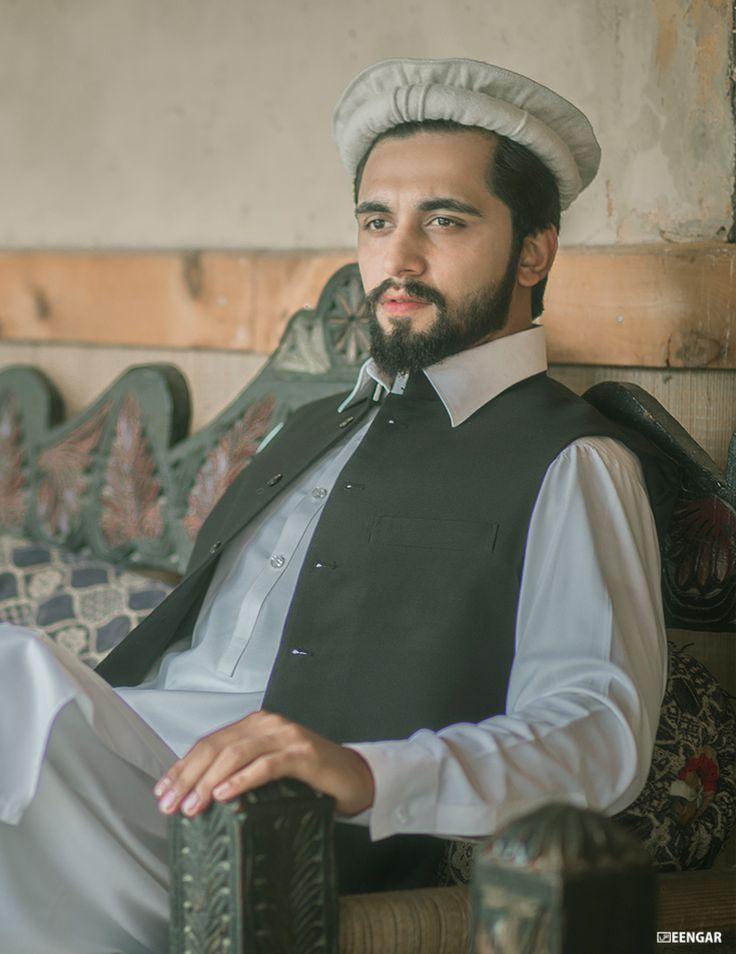
People in Khyber Pakhtunkhwa prefer loose and comfortable clothing due to the mountainous climate. Men commonly wear long shalwar kameez with waistcoats and Pakol caps. Women wear beautifully embroidered dresses featuring traditional patterns.
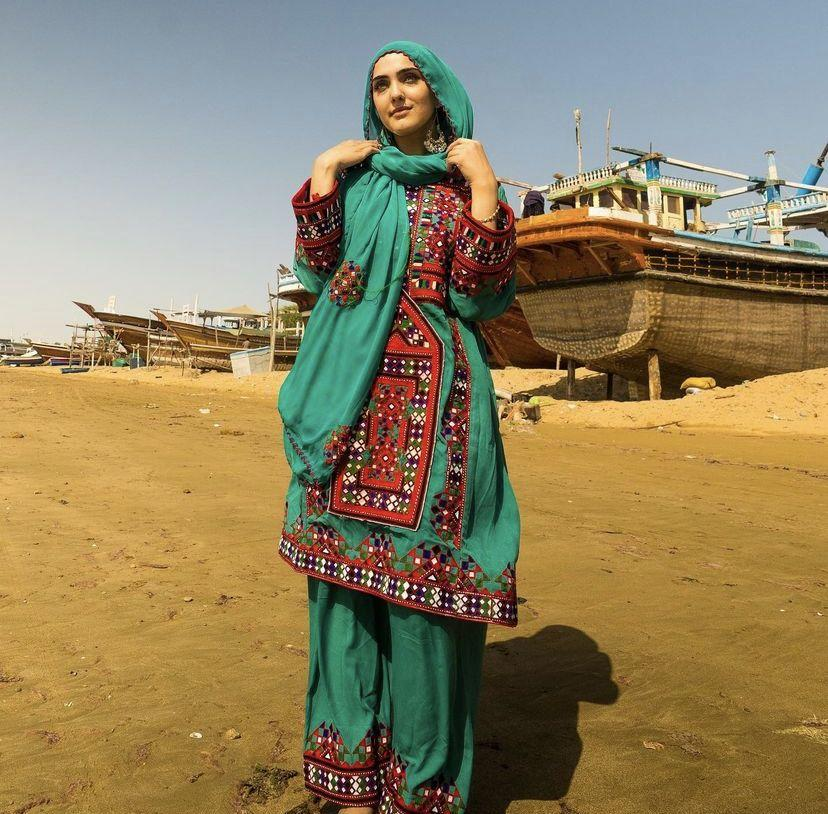
Balochistan
Balochi dresses are among the most distinctive in Pakistan. Women’s dresses are long, loose, and decorated with detailed hand embroidery. Men wear wide shalwars with long shirts and turbans. The clothing reflects both comfort and cultural identity.
Women’s Fashion
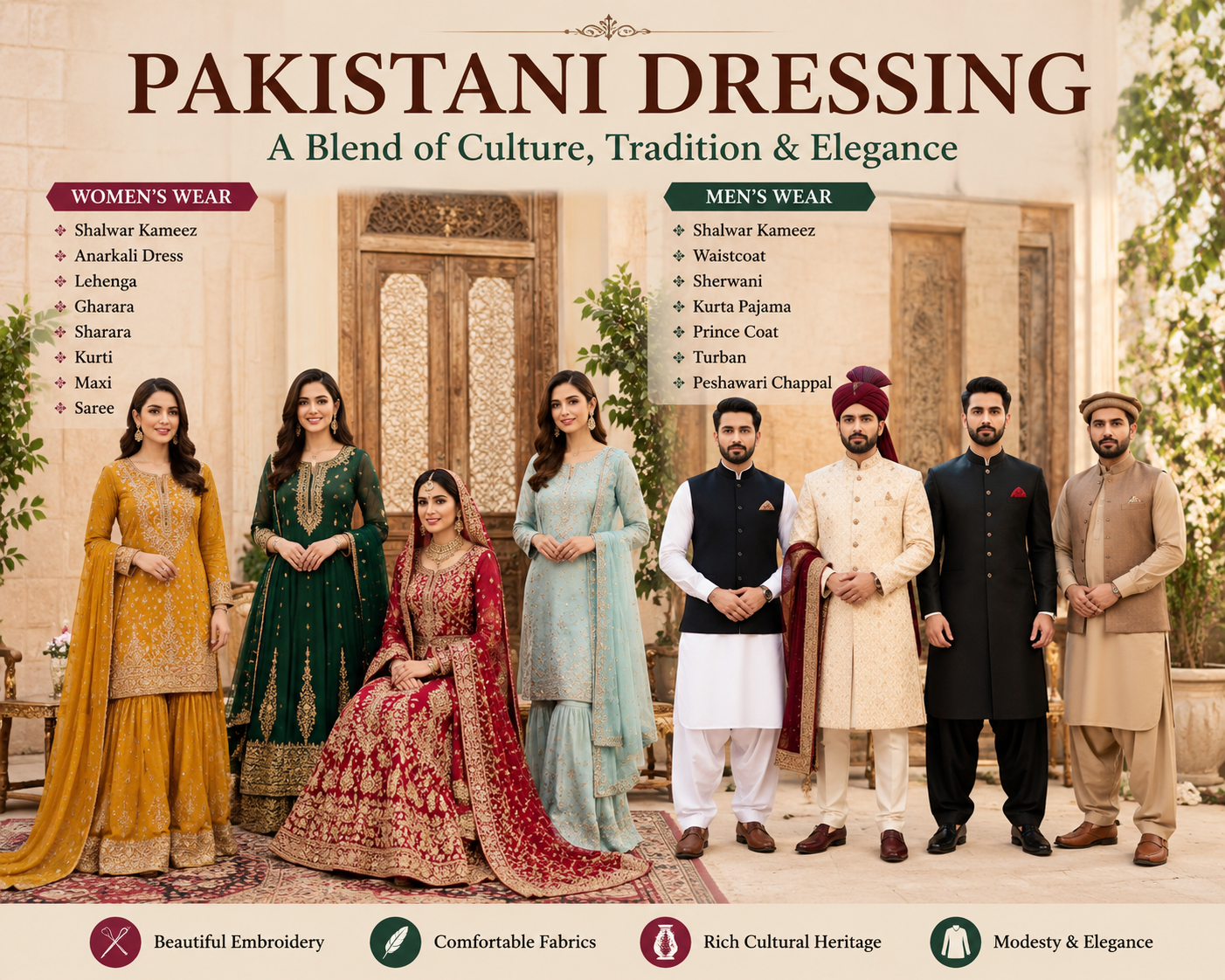
Pakistani women’s fashion has become increasingly popular around the world. While traditional dresses remain common, designers have introduced modern styles that blend tradition with contemporary fashion.
Popular women’s outfits include:
Shalwar Kameez
Anarkali Frock
Lehenga Choli
Gharara
Sharara
Maxi Dresses
Saree
Kurti with Trousers
Palazzo Suits
Women often accessorize their outfits with jewelry, handbags, embroidered shoes (khussas), bangles, earrings, and stylish dupattas. Bridal dresses are heavily embroidered using zari, sequins, pearls, and stones, making Pakistani bridal fashion internationally admired.
Men’s Fashion
Pakistani men generally prefer simple yet elegant clothing. The shalwar kameez remains the most popular outfit for daily wear, Friday prayers, Eid celebrations, and family gatherings.
Modern men’s fashion includes:
Waistcoats
Prince coats
Sherwanis
Kurta Pajama
Blazers with traditional wear
Traditional turbans
Leather Peshawari chappals
Sherwanis are especially popular for weddings and formal events because they represent sophistication and tradition.
Seasonal Dressing
Pakistan experiences different weather conditions, so clothing changes with the seasons.
Summer
During hot summers, people prefer lightweight cotton and lawn fabrics. These materials allow air circulation and keep the body cool. Lawn suits are particularly popular among women because they are comfortable and available in attractive prints.
Winter
In winter, wool, linen, khaddar, velvet, and shawls become popular. Kashmiri shawls, woolen coats, sweaters, and warm scarves are commonly worn. Dark colors such as maroon, navy blue, black, and brown are preferred during the colder months.
Wedding Dresses
Pakistani weddings are famous for their colorful and luxurious clothing. Brides usually wear heavily embroidered lehengas, ghararas, or maxi dresses in shades of red, maroon, gold, or pastel colors. Grooms traditionally wear sherwanis paired with turbans and khussas.
Family members also wear elegant formal dresses decorated with intricate embroidery, making Pakistani weddings a grand display of fashion and culture.
Influence of Modern Fashion
Global fashion trends have influenced Pakistani clothing, but traditional styles remain strong. Young people often combine Western and Eastern fashion by pairing jeans with kurtis or wearing blazers over traditional outfits. Pakistani fashion designers have successfully introduced modern cuts while preserving cultural values.
Fashion weeks in Karachi, Lahore, and Islamabad showcase innovative designs that attract attention from international audiences. Pakistani brands now export clothing worldwide, increasing the global popularity of Pakistani fashion.
Importance of Modesty
One of the defining characteristics of Pakistani dressing is modesty. Most traditional outfits provide comfortable and respectful coverage while maintaining elegance. This reflects the country’s cultural and religious values. The dupatta remains an important part of many women’s traditional outfits, symbolizing grace and modesty.
Popular Fabrics
Pakistan is known for producing high-quality textiles. Common fabrics include:
Cotton
Lawn
Linen
Silk
Chiffon
Khaddar
Velvet
Organza
Net
Jamawar
Each fabric is chosen according to the season, occasion, and personal preference.
Conclusion
Pakistani dressing is a perfect blend of tradition, beauty, comfort, and cultural identity. From the simple everyday shalwar kameez to luxurious bridal wear, Pakistani clothing reflects the country’s rich history and artistic craftsmanship. Every province contributes its own unique designs, embroidery, and colors, making Pakistani fashion incredibly diverse. While modern trends continue to influence styles, traditional clothing remains an important symbol of national pride. Pakistani dresses are appreciated worldwide for their elegance, quality, and timeless appeal, ensuring that the country’s fashion heritage continues to thrive for future generations.